
Last Updated:
March 23, 2026
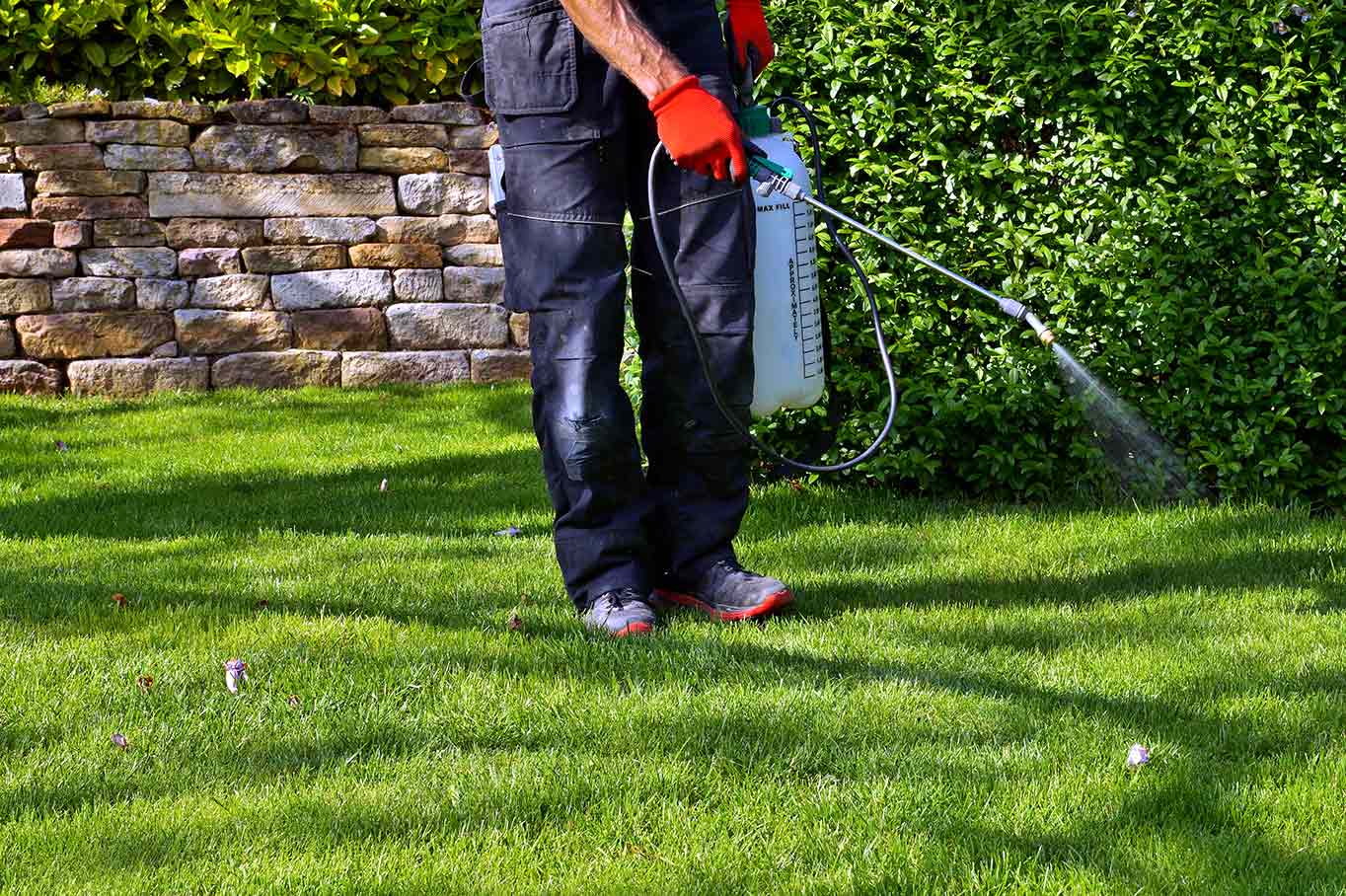
Keeping weeds out of your lawn starts with stopping them before they ever appear. That’s exactly where pre-emergent treatments come in. Rather than killing visible weeds, these products are designed to prevent weeds from sprouting in the first place, making them one of the most efficient tools for long-term weed management.
Keep reading to learn how pre-emergents help reduce the number of weeds you deal with throughout the season.
Pre-emergent herbicides don’t target mature weeds. Instead, they act on seeds as they begin the germination process. After application, the product creates a protective layer just below the soil surface. This invisible barrier interferes with early plant development, specifically stopping new seedlings from forming roots and shoots.
When weed seeds begin to sprout, they come into contact with this barrier and fail to establish. Without proper root growth, they can’t absorb water or nutrients, and they die off before ever becoming visible above the soil. Early intervention reduces the number of weeds that would otherwise mature and spread additional seeds across your yard.
Pre-emergent products are typically available in two main forms, and each comes with its own advantages depending on your lawn size and application preferences.
Liquid treatments are often used for larger properties or areas that require very even coverage. Applied with a sprayer, they allow for precise control over how much product is distributed. However, they do require accurate mixing and careful application to avoid uneven results.
Granular options, on the other hand, are applied using a spreader and are generally easier for homeowners to handle. They don’t require mixing, and once spread, they simply need to be watered in to activate. This makes them a popular choice for routine lawn care and smaller properties.
Different pre-emergent products rely on specific active ingredients to stop weed growth at the earliest stage. While the names may sound technical, each one plays a role in targeting certain types of weeds.
Timing is everything when it comes to pre-emergent weed control. Since these products only work before weeds become visible, they must be applied during a fairly specific window.
In the spring, applications are typically made before soil temperatures rise enough for summer weeds like crabgrass and spurge to germinate. This usually falls in early spring, though exact timing depends on your region and weather patterns.
A second opportunity comes in the fall. Certain weeds germinate as temperatures cool and then survive through winter. Applying pre-emergent in late summer or early fall helps prevent these winter annuals from taking hold.
Some lawn care products combine pre-emergent herbicides with fertilizer, allowing you to feed your lawn while also protecting it from weeds. These combination treatments are especially common in spring applications, when turfgrass is actively growing and weeds are beginning to germinate.
While convenient, it’s still important to apply these products at the right time. The effectiveness of the weed control component depends entirely on timing, not just the presence of fertilizer.
Pre-emergents are only effective during a short window: after seeds begin to germinate but before they break through the soil. If you apply too early, the product may lose strength before weeds begin growing.
Apply too late, and the weeds will already be established, making the treatment ineffective. Because of this, successful weed prevention often comes down to careful timing and consistency from year to year.
Q: Do all pre-emergent products include fertilizer?
A: No, many pre-emergents are sold as standalone weed control products. Some include fertilizer, but it’s always important to read the label so you know exactly what you’re applying.
Q: Will pre-emergents stop perennial weeds?
A: They can help reduce new seedlings, but they won’t eliminate established perennial weeds. These typically require additional treatments since they often grow from existing root systems.
Q: How long does pre-emergent last in the soil?
A: Most products remain effective for about three to five months. Weather conditions, watering habits, and soil disturbance can all affect how long they last.
Q: Is more product better for weed control?
A: No. Proper, even coverage is far more important than using extra products. Applying too much doesn’t improve results and can potentially harm your lawn.
Q: Do I need to reapply pre-emergent?
A: Yes, reapplication is usually necessary for ongoing control. Weed seeds can remain in the soil for years, so consistent treatments are key to keeping them in check.
Q: What happens if I apply pre-emergent too late?
A: If weeds have already emerged, pre-emergent won’t be effective. At that point, you’ll need a post-emergent treatment to control existing growth.