
Last Updated:
July 9, 2026
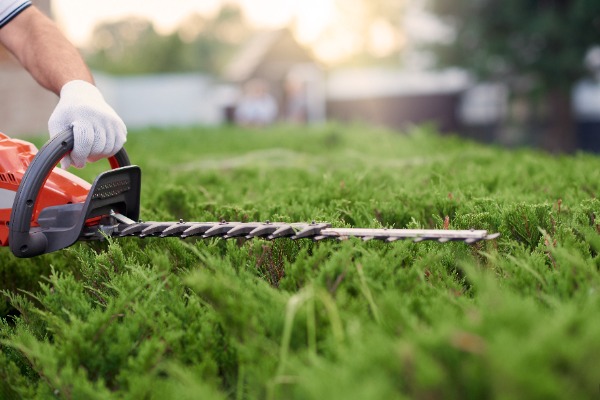
When done correctly and consistently, shrub trimming plays a key role in plant health and the overall function of your landscape. Neglecting this service can lead to overgrowth, weak structure, and increased susceptibility to pests and disease.
Understanding the specific benefits of trimming your shrubs can help you turn a basic maintenance task into a powerful tool for improving your entire outdoor space.
One of the most important benefits of trimming shrubs is the way it encourages fresh, healthy growth. Shrubs can develop dead, damaged, or overcrowded branches that compete for sunlight and nutrients. Removing these problem areas allows the plant to redirect its energy toward new growth and stronger development.
Regular trimming also improves air circulation within the shrub, reducing the likelihood of fungal issues and helping the plant maintain consistent health throughout the growing season.
How to promote healthy growth through trimming:
Well-trimmed shrubs instantly elevate the look of your landscape. Without regular maintenance, shrubs can quickly become uneven, overgrown, or misshapen. Strategic trimming helps maintain a clean, intentional appearance that complements the rest of your yard.
Shaping also ensures that shrubs grow in a balanced way, preventing one side from becoming heavier or more dominant than the other. This creates a polished, professional look that enhances curb appeal.
How to improve shrub appearance with trimming:
Trimming stimulates shrubs to produce more branches, which leads to thicker, fuller growth. When the tips of branches are cut, the plant responds by sending out new shoots from lower nodes, which results in a denser appearance.
Without trimming, shrubs may become thin or leggy, especially in areas that receive inconsistent sunlight. Regular pruning helps maintain a compact structure that looks lush and healthy.
How to achieve fuller shrubs through trimming:
Left unchecked, shrubs can quickly outgrow their intended space. This not only affects appearance but can also create structural problems, such as branches becoming too heavy or weak to support themselves.
Overgrown shrubs may also interfere with walkways, windows, or other landscape features. Trimming keeps growth under control and ensures the plant maintains a manageable size and structure.
How to control overgrowth with trimming:
Dense, untrimmed shrubs can create the perfect environment for pests and diseases to thrive. Limited airflow and excess moisture trapped within the plant increase the likelihood of fungal growth and insect infestations.
By trimming shrubs and opening up their structure, you create conditions that are less favorable for these issues. This proactive approach helps maintain plant health and reduces the need for corrective treatments.
How to minimize pests and disease through trimming:
Sunlight is essential for photosynthesis, but overgrown shrubs often block light from reaching their inner and lower branches. This can lead to uneven growth, with the outer layers thriving while the interior becomes sparse or weak.
Trimming allows sunlight to penetrate deeper into the plant, supporting more consistent growth throughout the entire shrub.
How to increase sunlight exposure with trimming:
For flowering shrubs, proper trimming can significantly impact bloom production. Removing old or spent growth allows the plant to focus on producing new buds and flowers during the appropriate season.
Timing is especially important, as trimming at the wrong time can remove developing buds and reduce flowering potential. When done correctly, trimming enhances both the quantity and quality of blooms.
How to improve flowering through trimming:
Beyond plant health, trimming plays a major role in the overall presentation of your landscape. Well-maintained shrubs contribute to a tidy, organized appearance that makes your entire property feel more cared for.
Consistent trimming also prevents your yard from looking overgrown or neglected, which can quickly happen when shrubs are left unmanaged.
How to maintain a clean landscape with trimming:
Q: How often should I trim my shrubs?
A: Most shrubs benefit from trimming several times per year, but frequency depends on the plant type and growth rate.
Q: Can trimming damage my shrubs?
A: When done properly, trimming improves plant health. However, excessive or poorly timed cuts can cause stress.
Q: What tools should I use for trimming?
A: Hand pruners, loppers, and hedge trimmers are all useful depending on the size and type of shrub.
Q: Is there a best time of year to trim shrubs?
A: It depends on the species. Some shrubs should be trimmed after flowering, while others benefit from early-season pruning.
Q: Should I remove a lot of growth at once?
A: It’s usually better to trim gradually rather than removing too much at one time.
Q: Do all shrubs need regular trimming?
A: Most benefit from it, but the level of trimming varies depending on the plant’s natural growth habits.