
Last Updated:
March 23, 2026
Mowing the lawn is a routine task for most homeowners, but timing matters more than many people realize. Mowing when grass is wet can create a range of short-term and long-term issues for both your lawn and your equipment. Understanding what happens when you mow wet grass can help you avoid unnecessary damage and keep your lawn healthier overall.
Wet grass behaves very differently than dry grass when it’s cut. Instead of standing upright, blades tend to bend and clump together, which leads to uneven cuts and torn leaf tips. This kind of damage weakens grass plants and slows recovery, making the lawn more vulnerable to stress and disease.
Wet conditions also increase the risk of soil compaction and rutting, especially when using heavier mowers. These issues don’t always show up immediately but can have lasting effects on turf health.
Common reasons mowing wet grass causes problems include:
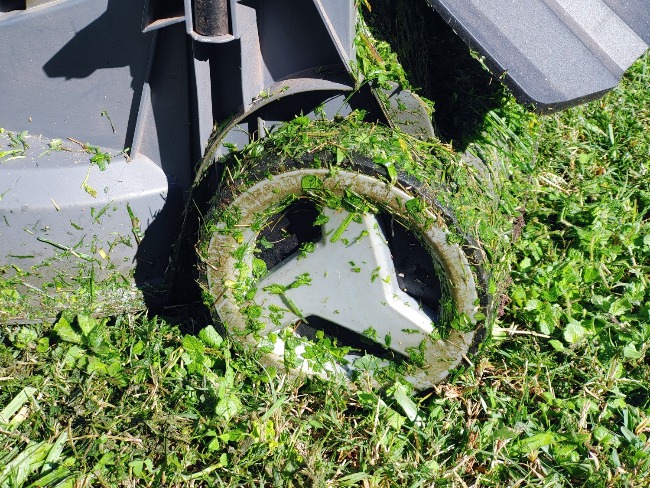
Beyond lawn health, mowing wet grass can also be hard on your mower. Wet clippings stick to the underside of the deck, clog discharge chutes, and reduce airflow needed for proper cutting. This forces the mower to work harder and increases wear on components.
Slippery conditions also raise safety concerns, especially on slopes or uneven terrain, increasing the risk of slips or loss of control.
Equipment-related issues include:
When grass is wet, mower blades struggle to create clean cuts. Instead of slicing through blades, the mower often tears them, leaving jagged edges that turn brown and heal slowly. This reduces the lawn’s overall appearance and can weaken turf over time.
Clippings from wet grass also clump together rather than dispersing evenly. These clumps can smother grass beneath them, blocking sunlight and airflow and creating ideal conditions for disease development.
How wet grass affects cut quality:
Moisture plays a major role in turf disease development. When you mow wet grass, you’re creating wounds on grass blades while moisture is already present, which makes it easier for fungal pathogens to infect the lawn.
In addition, wet clippings and matted grass reduce airflow, keeping the lawn damp for longer periods. This extended moisture creates an ideal environment for common lawn diseases to spread.
Disease-related risks of mowing wet grass:
Wet soil is far more vulnerable to compaction than dry soil. Walking or mowing across saturated ground compresses soil particles, reducing pore space and limiting root access to oxygen, water, and nutrients.
Compacted soil restricts root growth and weakens turf, which can lead to thinning grass and increased weed pressure over time. These problems often persist long after the lawn appears dry again.
How wet mowing contributes to compaction:
While mowing wet grass is generally not ideal, there are times when it may be necessary, such as during extended rainy periods when grass grows too tall to ignore. In these situations, taking extra precautions can help minimize damage.
Adjusting mowing height, sharpening blades, and mowing more slowly can reduce stress on the lawn and improve cutting results when conditions aren’t perfect.
Tips for mowing when grass is damp:
Whenever possible, allowing grass to dry before mowing leads to healthier turf and better results. Dry grass stands upright, cuts cleanly, and recovers more quickly. Soil is also less likely to compact, and clippings distribute more evenly across the lawn.
Patience often pays off in lawn care, and delaying mowing until conditions improve can prevent problems that require much more effort to fix later.
Mowing at the right time is just one piece of maintaining a healthy lawn. Aeration, fertilization, proper watering, and weed control all work together to strengthen turf and improve resilience. A lawn that’s well cared for overall is better able to recover from occasional wet mowing when it can’t be avoided.
Q: Is it ever okay to mow wet grass?
A: It’s best to wait for dry conditions, but careful mowing may be necessary during long periods of rain.
Q: Will mowing wet grass kill my lawn?
A: Not usually, but repeated wet mowing can weaken grass and lead to long-term problems.
Q: Can mowing wet grass cause bare spots?
A: Yes. Soil compaction and turf damage can create thin or bare areas over time.
Q: Does wet grass dull mower blades faster?
A: Yes. Wet clippings increase resistance and can dull blades more quickly.
Q: Should I bag clippings when mowing wet grass?
A: Bagging can reduce clumping, but it may also stress grass if too much is removed at once.
Q: How long should I wait after rain to mow?
A: Wait until grass blades and soil surface are mostly dry to avoid damage.