
Last Updated:
July 9, 2026
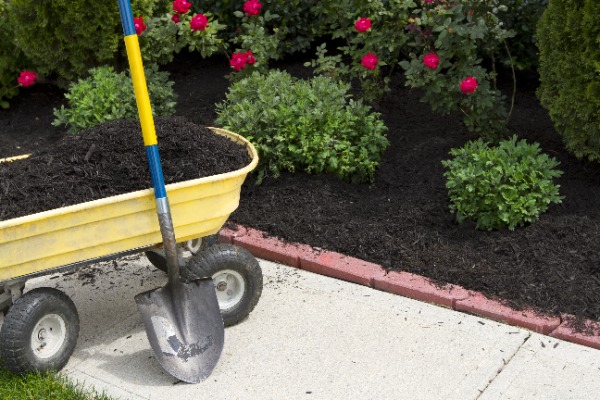
Whether you're using shredded bark, wood chips, pine bark, or pine straw, mulch gradually breaks down, fades, and settles over time. As this happens, it becomes less effective at retaining moisture, suppressing weeds, and protecting the soil beneath it. Replacing mulch at the right time can make all the difference.
Refreshing or replenishing existing mulch is enough to keep landscape beds looking great and functioning properly. Understanding how mulch changes over time can help you determine when your beds need attention and help you ensure that you are not replacing your mulch too frequently or not often enough.
Most landscape mulches are made from natural materials that decompose gradually as they are exposed to weather, microorganisms, and soil conditions. While this breakdown process provides benefits to the soil, it also means the mulch layer slowly becomes thinner.
Rain, irrigation, wind, and seasonal temperature changes can accelerate this process. Over time, mulch loses volume, making it less capable of insulating soil and blocking sunlight from reaching weed seeds.
As mulch ages, it may:
The frequency of mulch replacement depends largely on the material used and the conditions within the landscape. In most residential settings, mulch should be evaluated annually and refreshed as needed.
Organic mulches typically require some replenishment every year or two. However, a complete removal and replacement is often unnecessary unless the mulch has become excessively compacted, contaminated, or overly thick.
General replacement timelines include:
Rather than relying solely on a calendar, it's often better to inspect your landscape beds for signs that mulch is losing effectiveness.
One of the easiest indicators is depth. If the mulch layer has thinned significantly, it may no longer provide adequate protection for the soil. Fading color and uneven coverage can also signal that it's time for a refresh.
Common signs mulch should be replenished include:
A common mistake homeowners make is adding a new layer of mulch every year without checking the depth of the existing material. While topping off mulch can be beneficial, repeatedly adding fresh material can eventually create problems.
Overly thick mulch layers may limit airflow to the soil and prevent water from reaching plant roots efficiently. Excessive buildup can also create conditions that encourage disease, insect activity, or root stress.
Before adding mulch, it's important to determine whether the existing layer actually needs additional material or simply requires loosening and redistribution.
Although most mulch can be refreshed rather than removed, there are situations where a complete replacement may be beneficial.
For example, mulch that has become heavily compacted may no longer allow water and air to move freely through the soil surface. Likewise, mulch contaminated with weeds, disease, or excessive debris may be easier to replace than restore. In these situations, starting with a clean mulch layer can improve both appearance and performance.
Complete replacement may be appropriate when:
Spring is one of the most popular times to replenish mulch because it prepares landscape beds for the growing season and instantly improves curb appeal. Fresh mulch also helps conserve moisture during the warmer months ahead.
However, mulch can be installed or refreshed throughout much of the year. Fall applications are also common because they help insulate plant roots before winter temperatures arrive.
Many property owners choose to inspect their mulch annually and refresh it whenever coverage becomes inadequate rather than waiting for a specific season.
Proper maintenance can help mulch remain effective longer and reduce how often replacement is needed. These steps help maximize the value of your mulch investment while keeping landscape beds healthy and attractive.
A few simple practices can significantly extend the lifespan of your mulch beds:
Q: Do I need to replace all of my mulch every year?
A: No. In many cases, existing mulch simply needs to be refreshed or topped off rather than completely removed and replaced.
Q: What mulch lasts the longest?
A: Larger wood chips and certain bark mulches generally decompose more slowly than finer shredded mulches or pine straw.
Q: How do I know if my mulch is too old?
A: If it has become compacted, significantly thinner, heavily faded, or no longer suppresses weeds effectively, it may be time for replenishment or replacement.
Q: Can too much mulch cause problems?
A: Yes. Excessive mulch depth can restrict airflow, limit water penetration, and create unhealthy growing conditions for plants.
Q: Should I remove old mulch before adding new mulch?
A: Not always. If the existing mulch layer remains in good condition and is not overly thick, adding a small amount of fresh mulch is often sufficient.
Q: What is the ideal mulch depth?
A: Most landscape beds perform best with approximately 2–4 inches of mulch, depending on the material and planting type.