
Last Updated:
March 23, 2026
Centipedegrass has become a favorite turf option across Georgia thanks to its easygoing nature, soft texture, and ability to stay attractive without the demanding upkeep many other grasses require. Its lighter green color and slow growth make it especially appealing for homeowners who want a lawn that looks tidy without mowing every few days.
Understanding this grass’s lawn care needs will help you maintain a healthier, more consistent landscape in your Georgia yard.
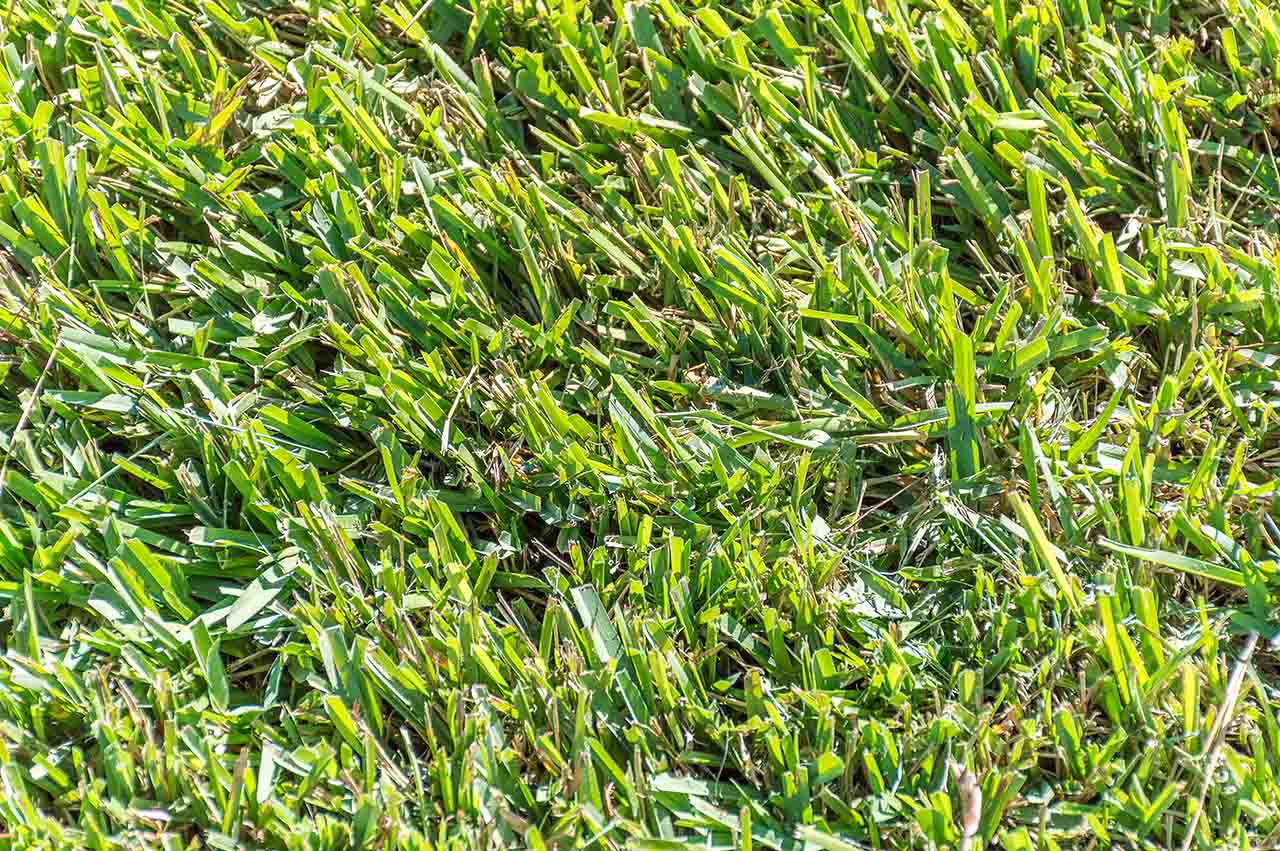
Centipedegrass is a warm-season turf that grows low and slowly, which is part of what makes it so low-maintenance. It prefers warm temperatures and performs best during long stretches of Georgia’s summer heat, all while maintaining its signature light-green color. Instead of growing upward quickly, it spreads across the ground by stolons, creating a compact, uniform mat of turf.
The biggest obstacle centipedegrass faces is the combination of humidity, drainage issues, and fluctuating soil pH. Excess moisture and poorly drained clay can encourage fungal problems, while higher pH levels can cause nutrient deficiencies. Getting the right balance of soil conditions, irrigation, and gentle maintenance is the key to keeping centipedegrass healthy year-round.
What Does Centipedegrass Look Like?
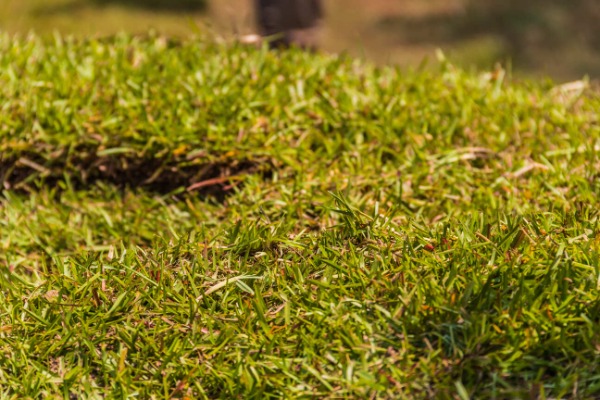
Successful centipedegrass establishment starts with timing and soil prep. In Georgia, the prime planting window runs from late spring into early summer, once soil temperatures stay consistently above 70°F. Warm soil encourages quick rooting, and early-summer rainfall often helps young grass settle in before conditions get more intense.
Before planting, break up compacted soil and mix in organic matter, especially in clay-heavy areas, to help improve drainage. Since centipedegrass thrives in acidic soil (pH 5.0–6.0), it’s wise to run a soil test beforehand. Many Georgia soils, particularly in the northern regions, tend to creep toward the alkaline side and may require sulfur to correct pH.
Centipedegrass handles heat surprisingly well, but because it develops a shallow root system, it’s sensitive to how and when it gets water. Overwatering is a common mistake and can lead to fungal issues, especially in Georgia’s humid environment. Instead of watering lightly and often, aim for a deeper soak less frequently to encourage better root growth.
Most lawns need about one inch of water per week, including rainfall. Sandy soils along the coast may require more frequent watering, while red clay regions may hold moisture longer and need less.
The best time to water is early in the morning between 4:00 a.m. and 9:00 a.m. so the grass can dry out during the day. During prolonged dry spells, centipedegrass may fade in color or show minor wilting but generally rebounds quickly once moisture returns.
Centipedegrass looks its best when kept shorter than many other warm-season varieties. A mowing height of 1.0–1.5 inches supports dense lateral growth and helps maintain its naturally smooth, uniform appearance. Letting it grow too tall can make the lawn look uneven or puffy.
A few mowing guidelines to keep in mind:
Centipedegrass is often called the “lazy man’s grass” for one reason: it does not need much fertilizer, and too much can cause real problems. Overfeeding centipedegrass can lead to thatch, disease, and increased winter injury. Moderation is the guiding principle here.
Avoid early-spring fertilizing (before the lawn fully greens) and fall fertilizing, as both can promote vulnerable growth heading into winter. A Georgia-friendly fertilization schedule might include:
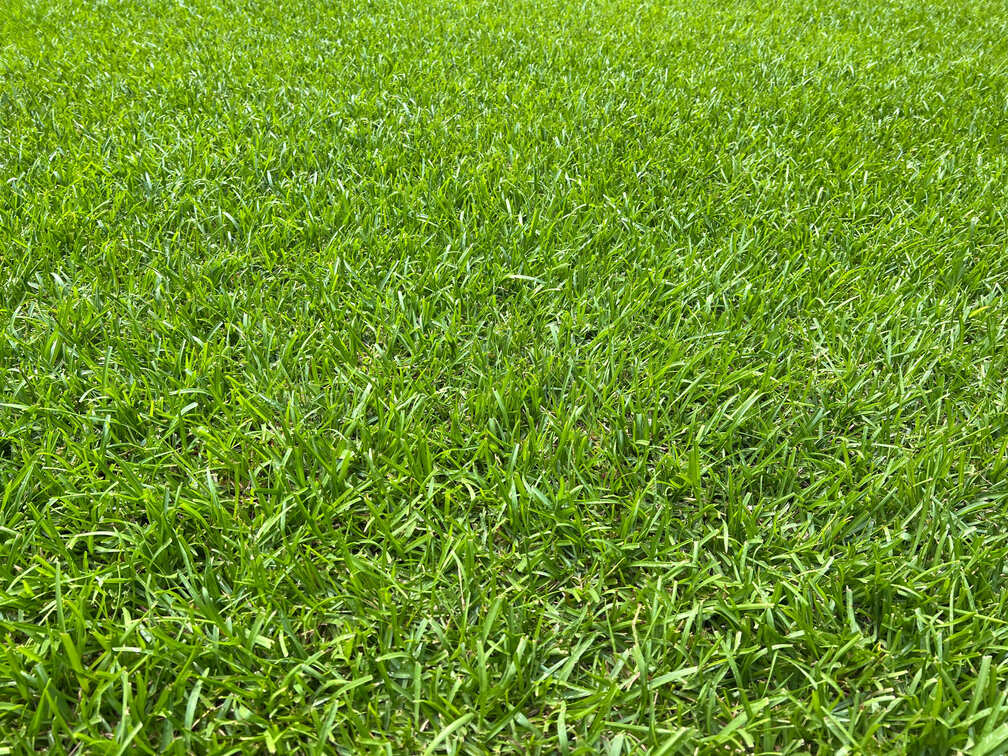
Georgia’s compacted clay soils can restrict airflow and slow down stolon growth, so aeration can make a noticeable difference in centipedegrass health. Occasional core aeration, especially in high-traffic areas, helps open the soil and improve the movement of air, nutrients, and water.
The best time for aeration is late spring or early summer, when the grass is actively growing and can recover quickly. Centipedegrass usually shouldn’t be overseeded, since it prefers minimal competition, but patching thin areas with seed or sod during the growing season is perfectly fine.
Even though centipedegrass forms a dense surface that naturally deters many weeds, Georgia’s warm, damp environment still allows certain weeds to thrive. Spurge, crabgrass, Virginia buttonweed, and yellow nutsedge are among the most common invaders. A pre-emergent herbicide in early spring goes a long way toward preventing annual weeds, while spot-treatments help manage broadleaf weeds as they appear.
Pests such as spittlebugs, mole crickets, and nematodes occasionally cause thinning or discoloration. Keeping the lawn properly mowed, well-drained, and lightly fertilized helps improve its natural resistance. Fungal diseases are common in Georgia’s humid climate. To keep disease pressure down:
Centipedegrass is an excellent choice for Georgia homeowners who want a lawn that looks clean, soft, and inviting without the high-maintenance demands of other warm-season grasses. With the right balance of soil management, irrigation practices, and seasonal care, this turf can stay healthy and attractive for years.
If you’re looking for professional help in maintaining or improving your centipedegrass lawn anywhere in the Albany, Georgia area, Pro Outdoor is here to help. Contact us today for a free quote and let our team keep your lawn looking its absolute best!